
Top 5 Driving Tips for Yemeni Roads
Driving in Yemen can be a challenging experience due to various factors like road conditions, weather, and local driving behaviors. Whether you're a local resident or a visitor, it's essential to understand the unique driving environment to stay safe on the road. In this article, we’ll provide the top five driving tips for navigating Yemeni roads, ensuring a safer and more efficient driving experience.

1. Understand the Road Conditions
Yemeni roads can vary significantly in terms of quality and condition. While major highways in urban areas may be in decent shape, rural roads and those in mountainous regions may be poorly maintained, uneven, or unpaved. It's crucial to adjust your driving based on the condition of the road.
Tips:
- Drive Slowly on Rural or Unpaved Roads: If you’re driving through rural areas or mountainous terrains, reduce your speed to navigate safely through bumpy and narrow paths.
- Watch for Potholes: Potholes are common in Yemen, especially on roads that are not well-maintained. Always keep an eye on the road ahead to avoid accidents or damage to your vehicle.
- Be Prepared for Unmarked Roads: In many remote areas, roads may not be clearly marked, which can make navigation tricky. Using a GPS or map is highly recommended when venturing into less-known regions.
Safety Precaution: Always ensure your vehicle is in good condition before driving on poor roads. Tire maintenance and suspension checks are essential for safer travel.
2. Be Prepared for Heavy Traffic in Urban Areas
Yemen’s capital, Sana’a, and other major cities can have dense traffic during peak hours. Understanding local traffic flow and being patient is key to managing driving in urban areas. Traffic jams are a frequent occurrence, and aggressive driving can add to the stress.
Tips:
- Avoid Rush Hours: If possible, plan your trips during off-peak hours. This will help you avoid heavy congestion and the stress of navigating through crowded streets.
- Maintain a Safe Distance: Keep a safe distance from the vehicle in front of you to avoid sudden braking or accidents. The heavy traffic means that you'll often have to stop and go.
- Use the Right Lane: In urban areas, lanes may be less strictly followed. However, it’s best to stick to the right lanes for slower traffic and leave the left lanes for overtaking.
Safety Precaution: Make sure to have a full tank of gas, as refueling stations can be sparse in busy areas, especially during heavy traffic.
3. Beware of Local Driving Behaviors
Driving in Yemen is often different from what visitors may be used to in other countries. Local driving behavior can be unpredictable, and road etiquette might not always follow international standards. Speeding, sudden lane changes, and not signaling are not uncommon on Yemeni roads.
Tips:
- Expect the Unexpected: Keep an eye on other drivers, especially motorcycles and pedestrians who may not follow traffic rules strictly.
- Use Your Horn Wisely: In Yemen, honking your horn is a common way of signaling your presence or expressing frustration. While it's essential to use your horn for safety, avoid excessive honking as it can escalate road rage.
- Be Extra Cautious at Intersections: In many cases, intersections might not have traffic lights or stop signs. Watch for other drivers and be prepared for them to take risks, like running red lights or cutting across lanes.
Safety Precaution: Always stay alert and focused when driving. Avoid distractions like using a mobile phone or multitasking while driving.
4. Understand the Weather Impact
Yemeni weather can play a significant role in driving conditions. During the rainy season, flash floods can cause road closures and reduce visibility. Additionally, dusty conditions and high temperatures can affect driving safety, particularly in rural or desert areas.
Tips:
- Drive Carefully During Rainy Seasons: In the rainy season, roads can become slippery, and visibility can decrease rapidly. Slow down, turn on your headlights, and avoid sudden braking.
- Watch for Flooding: Yemen is known to experience sudden flash floods, especially in mountainous areas and valleys. If you see standing water, avoid driving through it.
- Adapt to Hot Weather: The hot climate in Yemen can cause tire blowouts and engine overheating. Always ensure your car’s cooling system is functioning, and regularly check your tires.
Safety Precaution: Always carry an emergency kit with you, including water, food, a first aid kit, and any necessary medications.
5. Ensure Proper Vehicle Maintenance
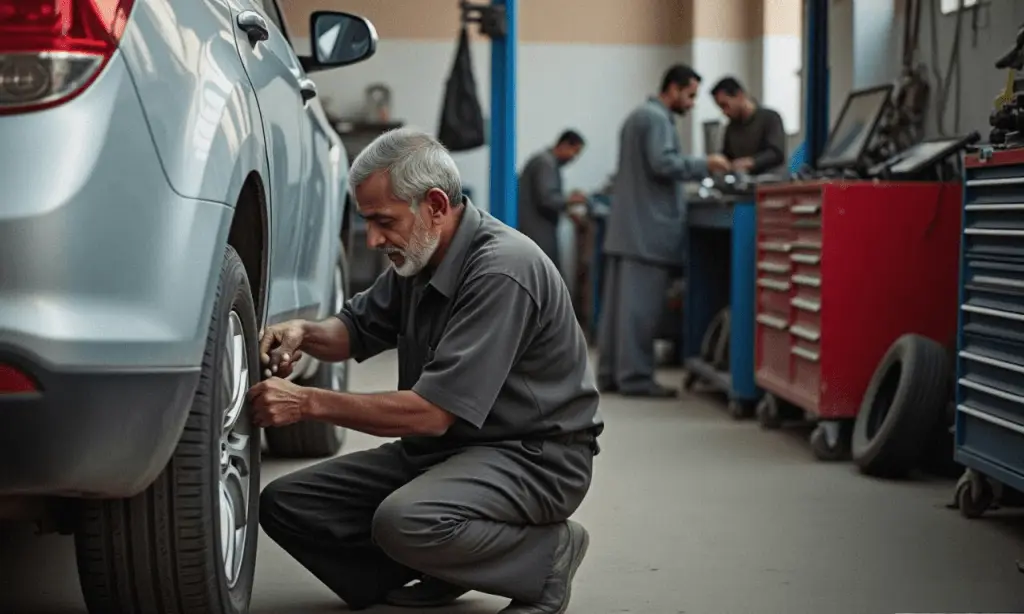
Maintaining your vehicle is crucial when driving in Yemen due to the varied road conditions and challenging weather. Regular maintenance can prevent breakdowns, save you money, and ensure your safety on the road.
Tips:
- Check Your Tires: Due to the rough and uneven terrain, tire wear is common in Yemen. Make sure your tires are in good condition and properly inflated before heading out.
- Inspect Your Brakes: Ensure your braking system is working properly, especially if you're driving in the mountains or on steep roads.
- Keep Fluids Topped Up: Given the heat, your vehicle’s fluids (engine oil, coolant, brake fluid, etc.) can run low faster. Regularly check your vehicle's fluid levels to prevent overheating or mechanical failure.
Safety Precaution: It's always a good idea to have a spare tire, jack, and emergency tools in your vehicle, especially if you're traveling to remote areas.
Conclusion
Driving in Yemen presents unique challenges, but with the right preparation and mindset, it can be an enjoyable experience. From understanding local road conditions to being aware of weather impacts and local driving behavior, keeping these tips in mind will help ensure a safer and smoother driving experience. Remember, patience and caution are your best tools for navigating Yemeni roads.
Disclaimer: The information provided in this article is based on general observations and experiences of driving in Yemen. Local driving conditions and regulations may vary, and it’s always advisable to check for the latest information from local authorities before traveling. Always drive with caution and adhere to local traffic laws to ensure your safety.
Jennifer
|
2025.03.24


