
How to Drive in Nepal’s Mountainous Terrain
Driving in Nepal’s mountainous terrain can be a breathtaking yet challenging experience. The stunning views of snow-capped peaks, lush valleys, and winding roads can captivate anyone, but navigating the narrow, rugged, and often unpredictable roads requires caution, skill, and preparation. For those planning to drive in Nepal’s mountainous regions, it’s essential to understand the unique challenges and how to tackle them safely.
Understanding Nepal’s Terrain
Nepal is a country known for its diverse and dramatic landscape. The majority of the country is mountainous, with the Himalayas forming the northern border, including some of the world’s highest peaks like Mount Everest. The terrain is a mix of steep slopes, narrow roads, and sharp turns, often with sudden weather changes that can make driving tricky.
In addition to the natural challenges, the infrastructure in these areas can vary greatly. While major highways like the Prithvi Highway connecting Kathmandu to Pokhara are paved and well-maintained, many smaller roads and rural areas are only accessible via rough, unpaved tracks. These roads often lack guardrails, signage, and road markings, which can make driving particularly hazardous, especially in bad weather or at night.
Preparing for the Journey
Before embarking on a drive through Nepal’s mountainous terrain, it’s important to make several preparations.
Vehicle Check
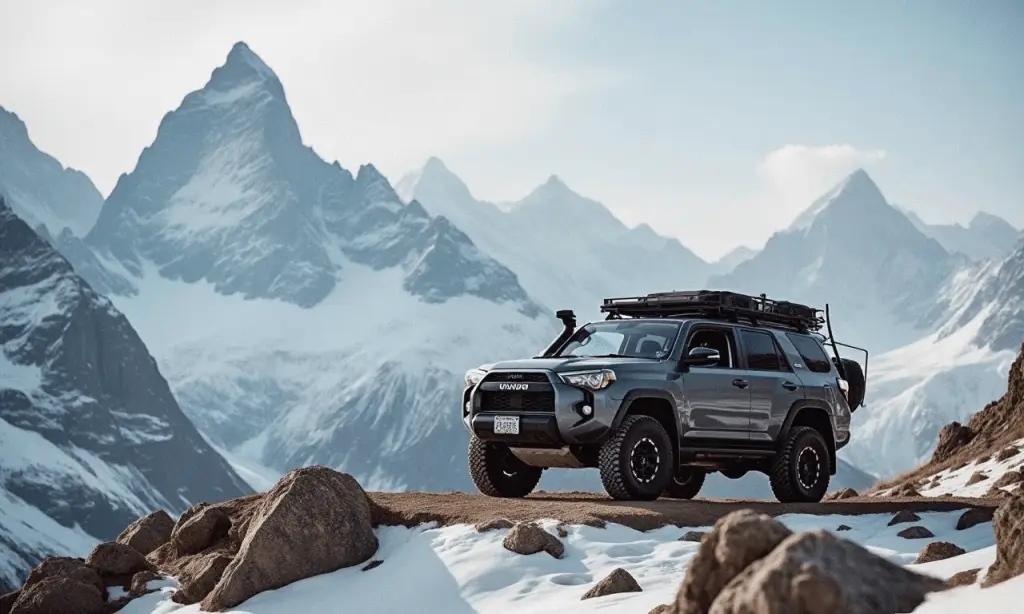
- Type of Vehicle: It is advisable to use a 4-wheel-drive vehicle when traveling in the mountains. These vehicles provide better traction and stability on rough, uneven roads and steep inclines.
- Tire Check: Tires should be in good condition, with adequate tread depth for gripping slippery or loose surfaces. Ensure that your spare tire is fully inflated and easily accessible.
- Brakes and Fluids: Make sure the brakes are in top condition, as you will frequently be navigating downhill roads that require strong braking. Check fluid levels (oil, coolant, brake fluid, etc.) to avoid any engine trouble.
Route Planning
While driving can be an adventure, it's crucial to plan your route carefully.
- Weather Conditions: The weather in the mountains can change unexpectedly. Check the forecast before setting out, and be prepared for rain, snow, or fog, which can severely limit visibility.
- GPS and Maps: Ensure you have up-to-date maps or a GPS device with offline navigation. Cell service can be limited in remote areas, so downloading maps beforehand is recommended.
- Fuel Stops: Gas stations may be sparse in the mountains. Fill up whenever you have the opportunity to avoid running out of fuel in isolated areas.
Driving Techniques for Mountain Roads
Driving on mountain roads in Nepal requires specific techniques to handle the challenging terrain. Here are a few key tips for safe driving:
Use of Gears
- Low Gears: On steep ascents and descents, always use low gears to maintain control of the vehicle. On climbs, low gears provide more power and prevent the engine from overworking. On descents, they help slow the vehicle down, minimizing the need to rely on brakes.
- Downshifting: When driving downhill, downshift to lower gears rather than riding the brakes. This reduces brake wear and helps you maintain better control of the vehicle.
Braking
- Use Brakes Sparingly: Sudden braking can cause loss of control, especially on gravel roads or during rain. Instead, try to use engine braking as much as possible.
- Frequent Breaks: When descending long mountain roads, stop at regular intervals to cool the brakes. Overheated brakes may lose their effectiveness, which could be dangerous in such challenging terrain.
Navigating Narrow Roads
- Avoid Sudden Turns: Many mountain roads are narrow, with sharp turns. Slow down before taking turns, and make sure no oncoming vehicles are coming around the bend. Honk your horn before turning to alert others of your presence.
- Passing Other Vehicles: On narrow, winding roads, passing another vehicle can be difficult. Always wait for a straight section of road where you can safely pass, and only overtake when it's completely clear.
Handling Weather Challenges
- Rain and Mud: Mountain roads can become slippery when wet. If you encounter rain, reduce speed and avoid sudden maneuvers. Use lower gears when descending to prevent skidding.
- Fog: In high-altitude areas, fog can drastically reduce visibility. In such conditions, use your headlights and fog lights. Drive slowly, and always maintain a safe distance from the vehicle in front of you.
- Snow and Ice: Snow and ice can create hazardous road conditions, especially in the winter months. If you’re driving in these conditions, equip your vehicle with snow chains or winter tires and drive at a slower pace.
Dealing with Road Conditions
- Potholes and Cracks: Roads in Nepal’s mountainous regions are often riddled with potholes and cracks, especially during the rainy season. Drive slowly to avoid damaging your vehicle, and always be prepared to steer around obstacles.
- Landslides: Landslides are a common occurrence in the mountains, particularly during the monsoon season. Stay informed about potential landslide-prone areas and avoid traveling immediately after heavy rainfall. If you encounter a landslide, wait for local authorities to clear the road before proceeding.
Safety Precautions
Driving in Nepal’s mountains can be exhilarating, but safety should always be your top priority.
- Seat Belts: Always wear your seat belt, and make sure all passengers do the same.
- Driving Speed: While it may be tempting to speed up to cover long distances, driving slowly and cautiously is critical in mountainous terrain. Keep a safe distance from other vehicles and allow yourself plenty of time to react to potential hazards.
- Emergency Kit: Carry an emergency kit with basic tools, a first-aid kit, a flashlight, water, and non-perishable snacks. In case of an emergency, these items can be life-saving.
Conclusion
Driving through Nepal’s mountainous terrain is an unforgettable experience, but it comes with unique challenges that require preparation, caution, and skill. By following these guidelines and driving with care, you can navigate the winding roads safely and enjoy the stunning views that make Nepal such a popular destination.
Disclaimer:
Driving in Nepal's mountainous terrain can be hazardous, and this article is intended for informational purposes only. Always ensure that your vehicle is in good condition, follow local traffic rules, and seek local guidance if you are unfamiliar with the area. Drive safely and responsibly at all times.
Micheal
|
2025.03.24


