
Best Practices for Riding a Bike in Myanmar
Myanmar, formerly known as Burma, is a country rich in cultural history, stunning landscapes, and diverse terrain. With its bustling cities, quiet rural roads, and beautiful natural landscapes, Myanmar is a great place for cycling enthusiasts to explore. However, riding a bike in Myanmar requires an understanding of the local environment, road conditions, and cultural nuances. Whether you're a seasoned cyclist or a beginner, this article will provide you with some of the best practices for riding a bike in Myanmar.
1. Understand the Road Conditions
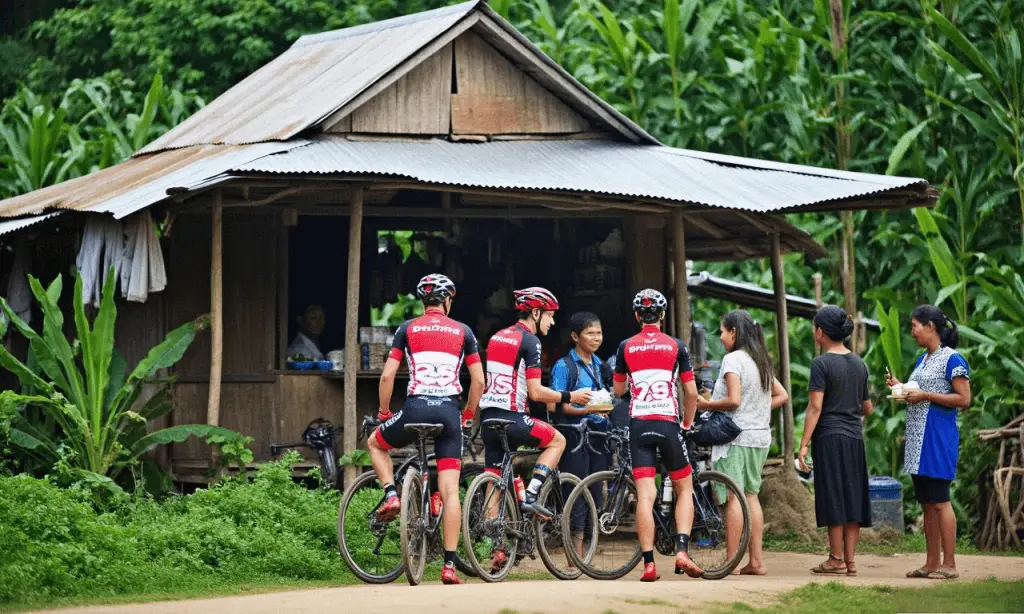
Before setting off on your bike, it's essential to familiarize yourself with the road conditions in Myanmar. While major cities like Yangon and Mandalay have more developed infrastructure, rural roads can be less predictable.
- Urban Roads: In urban areas, roads can be quite busy, with a mix of cars, motorcycles, tuk-tuks, buses, and pedestrians. Traffic tends to be chaotic, and roads are often congested. In some areas, roads might be poorly maintained with potholes and uneven surfaces. Therefore, it’s important to stay alert and ride defensively.
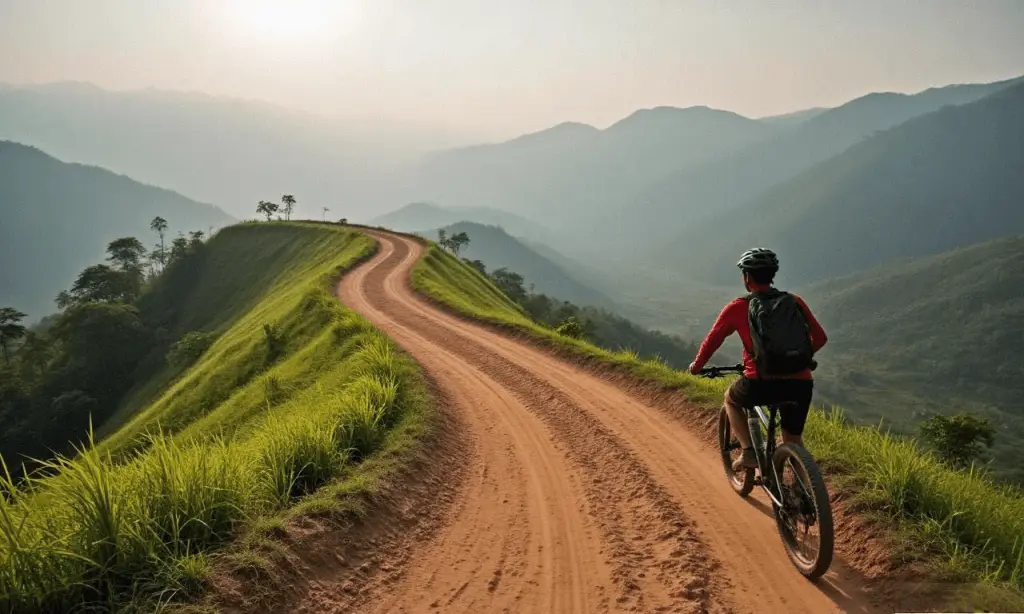
- Rural Roads: When cycling in rural Myanmar, you'll encounter quieter roads surrounded by picturesque landscapes, but these roads can often be rough, with gravel and dirt paths. In the countryside, bike riding offers a much more tranquil and scenic experience, but be prepared for bumpy, uneven surfaces.
- Mountainous Terrain: If you’re planning to explore the hilly and mountainous regions of Myanmar, be prepared for steep inclines and declines. Proper gearing on your bike is essential for tackling these terrains safely.
2. Choose the Right Bike
Choosing the right bike is crucial when riding in Myanmar. Depending on your route and terrain, you should select a bike that suits the conditions you'll face. Here are a few types of bikes you can consider:
- Mountain Bikes: If you're heading into rural or mountainous regions, a mountain bike is the best option. These bikes are designed for rough terrain and provide better control over uneven surfaces, rocks, and dirt paths.
- Road Bikes: If you plan to ride in cities or along smooth tarmacked roads, a road bike would be more suitable. However, be aware of the potential for potholes and sudden roadworks in urban areas.
- Hybrid Bikes: If you're unsure about the type of terrain you’ll be encountering, a hybrid bike might be the best choice. These bikes are a mix between road bikes and mountain bikes and are perfect for diverse terrain, offering comfort, stability, and speed.
3. Wear Proper Gear
Wearing the right gear while riding in Myanmar is essential for both safety and comfort. Here are some must-have items:
- Helmet: Always wear a helmet, even if it’s not required by law. While helmets are not mandatory in Myanmar, they can help protect you from head injuries in case of an accident.
- Protective Clothing: Long sleeves and pants are highly recommended to protect your skin from the sun, dirt, and insects. Myanmar’s hot climate and dusty roads can cause irritation to exposed skin.
- Comfortable Shoes: Choose sturdy and comfortable shoes that will support your feet during long rides. Proper footwear will also help you maintain control over your bike, especially when riding on uneven surfaces.
- Sunglasses and Sunscreen: The sun in Myanmar can be intense, so protect your eyes and skin by wearing sunglasses and applying sunscreen regularly. This is especially important if you're riding for extended periods.
4. Be Aware of Traffic Laws and Local Riding Etiquette
Cycling in Myanmar can be a challenge due to the traffic and local customs. Here are a few guidelines to ensure a smooth and safe riding experience:
- Use Hand Signals: Always use hand signals to indicate your turns and stops. This is important in busy areas where drivers may not expect cyclists to be present.
- Stay in the Right Lane: Myanmar follows the left-hand driving system, so cyclists should ride on the left side of the road.
- Respect Pedestrians: In crowded areas, be mindful of pedestrians walking on the roads. Ringing your bell or calling out gently can help alert them to your presence.
- Expect Drivers to Be Unpredictable: Myanmar’s drivers can be unpredictable, and the traffic may seem chaotic. Be cautious and anticipate sudden movements from other vehicles. Ride defensively, especially in cities.
5. Plan Your Route and Stay Hydrated
Before setting off, it’s important to plan your route. While Myanmar offers many scenic cycling routes, it’s essential to know your destination and the available amenities along the way. This is particularly important in more rural areas, where services like food, water, or bike repairs may be scarce.
- Use Maps and Apps: Online maps and local apps can be helpful for navigation, but be aware that not all areas in Myanmar have reliable internet access, especially in more remote regions. It’s a good idea to carry a printed map or ask locals for directions if needed.
- Stay Hydrated: Myanmar’s tropical climate can be hot and humid, so it’s essential to carry plenty of water and drink frequently. Dehydration can quickly set in, especially during long rides or in remote areas where water sources may be scarce.
- Know Emergency Contacts: In case of accidents or mechanical issues, know the contact information of a local bike shop or a nearby hotel where you can seek help.
6. Respect Local Culture and Traditions
Myanmar has a rich cultural heritage, and it’s important to respect local traditions when cycling, especially in rural areas and near temples.
- Dress Modestly: When cycling in more conservative areas, dress modestly out of respect for the local culture. Avoid wearing revealing clothing, especially near religious sites such as pagodas and monasteries.
- Respect Religious Sites: If you're cycling near temples or pagodas, dismount your bike before entering. Always be respectful of the local customs and traditions.
- Engage with Locals: Myanmar’s people are generally very friendly and welcoming. Don’t hesitate to stop and chat with locals, but always ask permission before taking photos of people, especially in rural areas.
7. Be Prepared for the Weather
The weather in Myanmar can vary greatly depending on the time of year and the region. Prepare for hot, humid conditions, especially during the dry season (November to April). The rainy season (May to October) can bring heavy downpours, so pack accordingly.
- Dry Season: During the dry season, wear lightweight, breathable clothing to stay cool, but be sure to apply sunscreen regularly.
- Rainy Season: In the rainy season, a waterproof jacket or poncho is recommended. Be cautious on slippery roads, especially in rural areas where mud can be a hazard.
8. Consider Guided Bike Tours
If you're new to cycling in Myanmar or unfamiliar with the terrain, consider joining a guided bike tour. These tours offer safety, local knowledge, and convenience. Guided tours are a great way to explore Myanmar's cultural landmarks and natural beauty without the stress of navigating unknown roads.
Disclaimer
Cycling in Myanmar can be both a rewarding and challenging experience. While this article provides tips for safe and enjoyable cycling, it's important to be aware of local conditions, including unpredictable weather, traffic, and potential hazards on the road. Always wear appropriate protective gear, respect local customs, and exercise caution when riding. Please consult with local experts or tour guides before embarking on a cycling journey to ensure your safety.
Micheal
|
2025.03.24


