
How to Ride a Motorcycle Safely in Pakistan
Riding a motorcycle can be an exhilarating experience, offering freedom and flexibility that other modes of transportation simply cannot match. In Pakistan, where motorcycles are one of the most popular modes of transportation, it’s important to ride safely to ensure not only your safety but also the safety of others on the road. Traffic congestion, poor road conditions, and varying weather conditions all add to the complexity of riding a motorcycle in Pakistan. Therefore, it’s crucial to follow basic safety guidelines and adopt responsible riding habits.
1. Always Wear Protective Gear
The first rule of motorcycle safety is to wear the right protective gear. Many motorcyclists in Pakistan ride without helmets, putting themselves at significant risk in case of an accident. However, wearing the appropriate protective gear can make a huge difference in preventing injuries and even saving lives.
Helmet
A good-quality helmet is the most important piece of protective gear. According to the law in Pakistan, all motorcyclists are required to wear helmets, but unfortunately, not everyone complies. The helmet protects your head, reducing the chances of severe injury in case of a fall or accident. Make sure to wear a full-face helmet for better protection.
Jacket and Gloves
Wearing a motorcycle jacket made of durable material such as leather or textile helps protect your arms, shoulders, and torso from abrasions in case of a fall. Gloves are equally important as they help protect your hands and provide a better grip on the handlebars.
Knee and Elbow Guards
Knee and elbow guards provide added protection to these vulnerable areas in case of a crash. They are designed to absorb impacts and reduce the chances of fractures and abrasions.
Proper Footwear
Sturdy boots with ankle protection are essential for maintaining control of the motorcycle and providing protection in case of an accident.
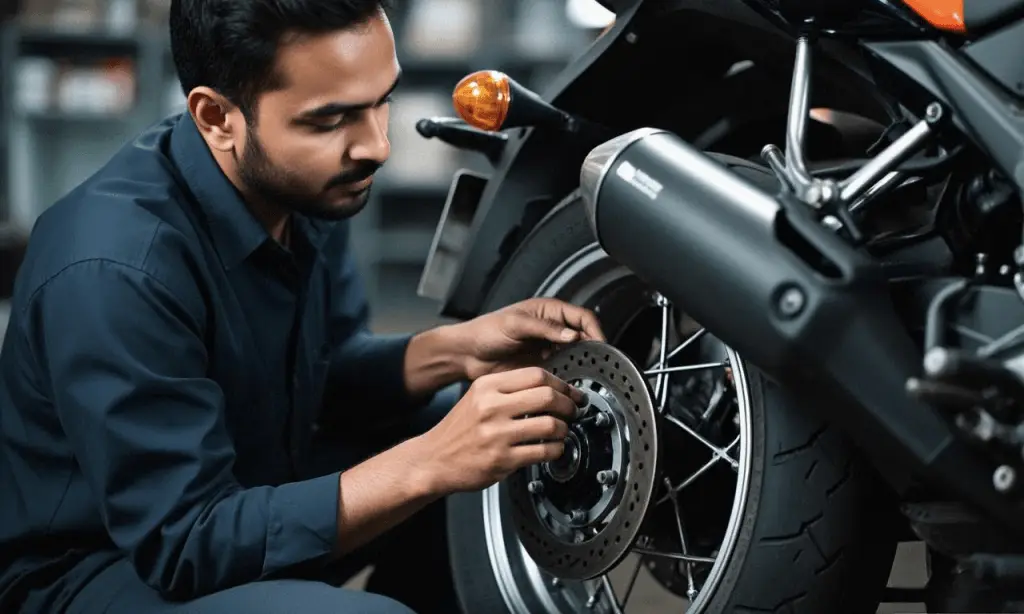
2. Inspect Your Motorcycle Before Riding
Before you hit the road, it’s important to ensure your motorcycle is in good condition. Regularly inspecting your bike not only ensures its longevity but also helps prevent accidents caused by mechanical failures.
Check the Tires
Ensure your tires are properly inflated and free from any visible damage. Tires are your contact with the road, so keeping them in good condition is crucial for maintaining balance and control. Check tire tread depth regularly to avoid slipping on wet or uneven roads.
Inspect the Brakes
Check the brake pads and fluid levels before every ride. Brakes are essential for stopping the bike safely, and any issues with the braking system should be addressed before taking the bike on the road.
Lights and Indicators
Ensure that all lights, including the headlamp, brake lights, and turn signals, are working properly. Faulty lights can make you less visible to other drivers, increasing the risk of accidents.
Oil and Chain
Check the oil levels and ensure the chain is properly lubricated and adjusted. A well-maintained engine and chain will ensure smooth operation and better control.
3. Be Aware of Road Conditions
Pakistan's road conditions can vary dramatically, from smooth highways to poorly maintained city streets. As a rider, it is essential to be aware of the environment you are riding in to ensure your safety.
Avoid Potholes
Potholes are a common issue on roads in Pakistan, especially in urban areas. Riding over potholes at high speed can cause a loss of control, so always remain vigilant and avoid them if possible.
Watch for Oil Spills
In many areas, oil spills are common on the roads, especially in commercial zones. These spills can make the road surface slippery, so take extra caution when riding in areas where spills are more likely.
Riding on Busy Streets
In cities like Karachi, Lahore, and Islamabad, the streets can be overcrowded with vehicles. Ride defensively by staying aware of other drivers and always maintain a safe distance. Be cautious when splitting lanes or weaving between traffic.
4. Follow Traffic Rules and Signals
One of the most important aspects of riding safely is adhering to traffic rules. In Pakistan, traffic rules are often ignored, and riders frequently disregard signals. This leads to accidents and fatalities. By following traffic laws, you not only protect yourself but also ensure the safety of other road users.
Obey Speed Limits
Always obey the speed limits posted on signs. Speeding reduces the time you have to react in case of an emergency. Riding at a safe speed ensures that you have better control of your bike and can make timely decisions when needed.
Use Indicators
Always use your indicators when turning or changing lanes. This helps other drivers and riders anticipate your next move, reducing the likelihood of a collision.
Don’t Overtake Carelessly
Overtaking other vehicles should be done only when it is safe. Never overtake on blind corners or when visibility is poor. Overtaking at high speed increases the risk of accidents, especially when traffic is dense.
Avoid Riding Under the Influence
Riding a motorcycle while under the influence of alcohol or drugs is not only illegal but also extremely dangerous. Even a small amount of alcohol can impair your judgment and reaction time, making you more likely to cause an accident.
5. Stay Visible and Be Defensive
Visibility is a key factor in staying safe on the roads. Motorcycles are smaller than cars, which can make it harder for other drivers to see you. As a rider, it’s important to make yourself as visible as possible and adopt a defensive riding style.
Wear Bright Clothing
Wear brightly colored clothing, especially when riding in traffic. This will make you more visible to other drivers, especially at night or in low-light conditions.
Use Your Horn and Lights
Use your horn and motorcycle lights to alert other drivers of your presence, particularly when merging into traffic or approaching intersections.
Keep a Safe Distance
Maintain a safe distance from other vehicles to give yourself time to react in case of sudden stops or hazards. Keeping a buffer zone between you and other vehicles will reduce the chances of a collision.
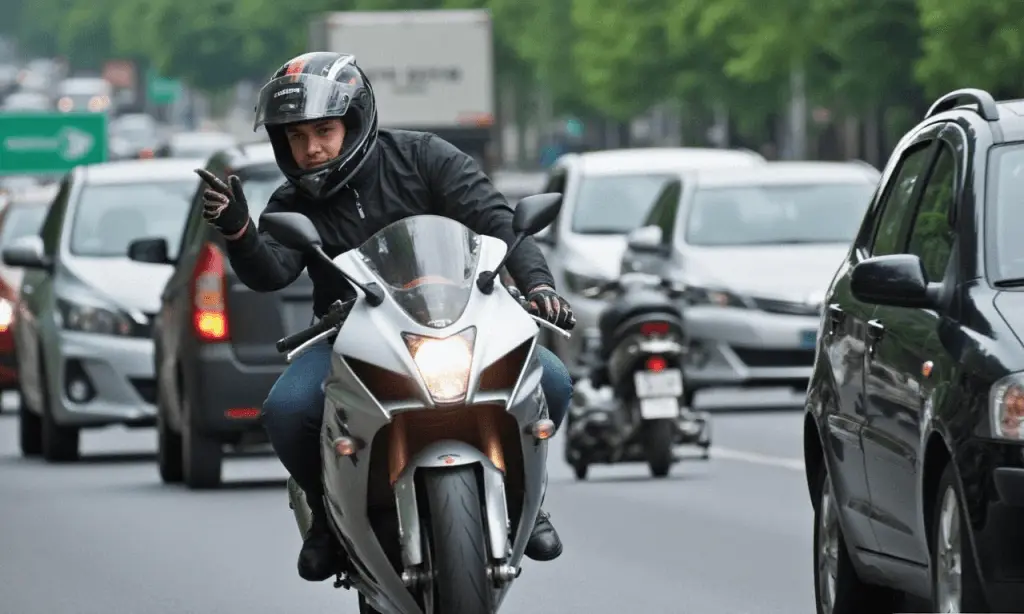
6. Ride Defensively
Defensive riding means anticipating the actions of other drivers and being prepared for sudden changes in traffic or road conditions. Always expect the unexpected, whether it’s another vehicle cutting you off or debris on the road.
Stay Calm and Focused
Stay calm and keep your focus on the road. Avoid distractions such as using your phone or listening to loud music. Your full attention should be on riding safely.
Adjust to Weather Conditions
In Pakistan, weather conditions can change rapidly. During the monsoon season, roads can become slippery, and visibility can be reduced. Ride cautiously in bad weather, and consider postponing your ride if the conditions are dangerous.
Disclaimer:
Motorcycling can be hazardous. Always wear protective gear, maintain your motorcycle in good working order, and follow all road safety rules. This article provides general safety tips, but it is important to consult local regulations and practice good judgment while riding.
William
|
2025.03.24


