
How to Buy a Reliable Used Car in India
Buying a used car in India can be an exciting but challenging process. With a range of choices, varying prices, and the need for careful evaluation, it’s important to know how to navigate the market. If you're looking for a reliable used car, there are several factors to consider to make sure you’re getting the best deal while avoiding unnecessary surprises. In this guide, we’ll walk you through the steps of buying a used car in India and give you tips on how to ensure it’s in good condition.
1. Set Your Budget and Know Your Requirements
Before diving into the used car market, it’s essential to establish a clear budget. This will help narrow down your options and prevent overspending. Keep in mind that the initial purchase price is just one aspect of the overall cost. Consider the following:
- Loan vs. Cash: If you plan to take a loan, factor in the monthly EMIs and the total cost of financing. Some banks offer loans for used cars, but the interest rates might be higher than for new cars.
- Maintenance Costs: Older cars tend to require more maintenance, so be prepared for higher upkeep costs. Research the cost of parts and servicing for the car you’re considering.
- Insurance: The insurance premium for a used car is generally lower than for a new one, but it still varies based on the car’s age, model, and make.
Once you’ve established a budget, make sure you know what type of car you need. Consider factors like:
- Car Size: Do you need a compact car for city driving, or are you looking for a larger vehicle like an SUV for family trips?
- Fuel Type: Diesel cars might cost more upfront, but they offer better fuel efficiency in the long run. Petrol cars are cheaper and ideal for those who drive less frequently.
- Transmission: Would you prefer a manual or automatic transmission? Automatic cars are easier to drive, especially in heavy traffic, but they may be slightly more expensive.
2. Research and Shortlist Potential Models
Once you know your budget and requirements, it’s time to start researching. Popular used cars in India include models from brands like Maruti Suzuki, Hyundai, Honda, and Toyota. These brands are known for their reliability and relatively lower maintenance costs.
Here are some steps for researching:
- Check Online Marketplaces: Websites like OLX, Cars24, CarWale, and Droom are great places to browse listings. You can filter your search by brand, model, price, year of manufacture, and location.
- Use Dealerships or Authorized Pre-Owned Programs: Many car manufacturers in India, like Maruti Suzuki and Toyota, have certified pre-owned programs. These dealerships offer well-inspected, reliable cars with warranty support.
- Read Reviews and Ratings: Look for reviews on car websites, forums, and blogs. Pay attention to issues commonly reported by other owners regarding the models you are interested in.
3. Inspect the Car’s Exterior and Interior
The next step is inspecting the car in person. Here’s what to look out for during your inspection:
- Exterior Condition: Check for any signs of accidents or paintwork. Look for uneven paint, dents, and rust on the body. A slight scratch here and there is common for used cars, but significant body damage may indicate that the car was in an accident.
- Tyres: Inspect the tyres for tread wear. Uneven wear can be a sign of alignment issues or suspension problems.
- Lights and Windows: Check that all lights (headlights, tail lights, indicators) and windows are functioning properly. Ensure the windshield isn’t cracked or chipped.
- Interior Condition: Check the upholstery, dashboard, and interior features for wear and tear. Test all the electrical systems, such as the air conditioning, infotainment system, and power windows.

4. Take the Car for a Test Drive
A test drive is one of the most important steps in buying a used car. It gives you a sense of how the car drives and helps identify any issues that may not be visible during a static inspection. Here are some things to watch out for during your test drive:
- Engine Performance: Pay attention to how the engine responds. The car should start easily without any unusual noises or hesitation.
- Brakes and Suspension: Check for smooth braking and ensure there is no unusual sound when applying the brakes. Also, pay attention to how the car handles bumps and turns. The suspension should feel stable.
- Transmission: Whether you’re driving a manual or automatic, the transmission should be smooth. There should be no jerks or slipping of gears.
- Steering: Make sure the steering wheel feels responsive and does not pull to one side. A misaligned steering wheel could be a sign of a problem with the suspension or alignment.
5. Verify the Car’s Documents
Once you’re satisfied with the car’s condition, the next step is to check its documents. A reliable seller will have all the necessary paperwork in order. Make sure the following documents are in place:
- RC (Registration Certificate): Ensure that the car’s registration is in the seller’s name and verify that the car is not under a loan.
- Insurance Papers: Check if the car has valid insurance. If the insurance is expired, you’ll need to renew it as soon as possible.
- Service History: Ask for a complete service history of the car. A well-maintained car will have regular service records, showing that it has been taken care of.
- No Objection Certificate (NOC): If the car was financed, ask for the NOC from the bank or financial institution to confirm that the car is free of any pending loans.
6. Get the Car Inspected by a Mechanic
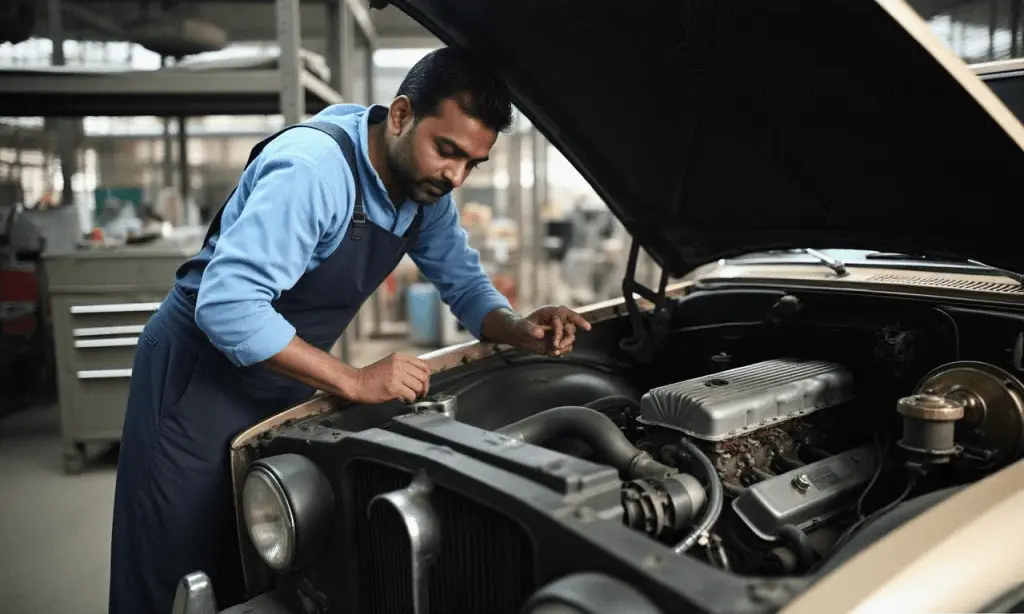
Even if the car seems to be in good condition, it’s always a good idea to get it inspected by a professional mechanic. A trusted mechanic can perform a thorough check of the car’s engine, transmission, suspension, and electrical systems. This can help uncover hidden issues that may not be immediately apparent.
7. Negotiate the Price
Once you’re satisfied with the condition of the car and the paperwork is in order, the next step is negotiating the price. Used car prices are often negotiable, so don’t hesitate to haggle. Based on the car’s age, condition, and market value, offer a fair price that reflects any potential repairs or maintenance the car might need.
8. Finalizing the Deal
Once you’ve agreed on a price, make sure the payment is done securely, preferably through bank transfer or cheque. Avoid paying in cash, as this can make it difficult to prove the transaction in case of a dispute.
Don’t forget to transfer the ownership and update the RC with the Regional Transport Office (RTO). This process ensures that the car is legally transferred to your name.
Conclusion
Buying a reliable used car in India requires careful research, attention to detail, and due diligence. By following the steps outlined above, you can make an informed decision and find a car that suits your needs and budget.
Disclaimer: The advice provided in this article is based on general best practices and does not constitute professional advice. Always ensure that you thoroughly inspect the vehicle and consult with an expert before making a purchase. Prices and market conditions may vary, and individual experiences may differ.
John
|
2025.03.21


