
DIY Motorcycle Repair Guide for Myanmar Riders
Motorcycles are a primary mode of transportation in Myanmar, providing essential mobility for people across urban and rural areas. Whether you use your motorcycle for daily commuting, weekend trips, or work purposes, understanding how to handle basic maintenance and repairs can save you both time and money. This DIY Motorcycle Repair Guide is designed to help Myanmar riders perform simple repairs and maintenance on their bikes. From basic engine maintenance to tire fixes, this guide will walk you through essential skills every motorcycle owner should have.
Disclaimer
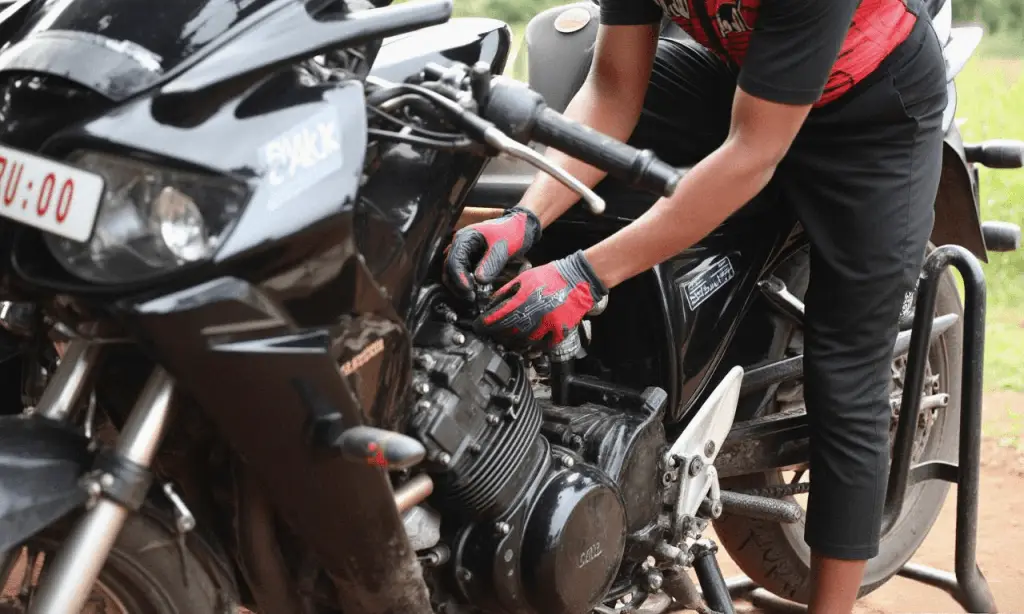
The information provided in this guide is intended for general guidance and educational purposes only. Motorcycle repairs and maintenance require a certain level of mechanical knowledge and skill. If you are not confident or experienced with mechanical work, it is recommended to seek assistance from a professional mechanic. Always follow safety protocols, wear protective gear, and ensure the bike is turned off and the engine is cool before starting any repair work.
1. Basic Motorcycle Maintenance for Myanmar Riders
Regular maintenance is the key to ensuring your motorcycle remains in top condition. Here are some basic tasks every rider should know:
Checking Engine Oil
Engine oil is the lifeblood of your motorcycle’s engine. It lubricates the moving parts, reduces friction, and helps in cooling the engine. In Myanmar’s hot and humid climate, maintaining the correct oil level is crucial to prevent overheating and engine damage.
Steps for Checking and Changing Engine Oil:
- Warm up your engine by running it for a few minutes. This ensures the oil flows easily.
- Turn off the engine and place the bike on its center stand or a stable surface.
- Locate the oil dipstick or plug. Remove it, wipe it clean, and dip it back into the oil tank to check the level.
- If the oil is low, top it up with the recommended type of oil for your bike.
- To change the oil, drain the old oil into a container, replace the oil filter if needed, and refill with fresh oil.
Cleaning and Lubing the Chain
The chain is a crucial component that connects the engine to the rear wheel. Regular cleaning and lubrication prevent wear and tear, ensuring a smooth ride.
Steps for Cleaning and Lubing the Chain:
- Lift the rear wheel off the ground using a bike stand.
- Clean the chain with a degreaser and a brush to remove dirt and old oil.
- Lubricate the chain with a motorcycle-specific chain lube. Make sure to apply it evenly across the chain.
- Wipe off excess lubricant with a clean cloth to avoid dirt buildup.
Tire Maintenance
Proper tire care is essential for safety, especially in Myanmar’s varying road conditions. Checking tire pressure, tread depth, and inspecting for punctures should be done regularly.
Steps for Tire Maintenance:
- Check tire pressure using a tire gauge. The ideal pressure can be found in your motorcycle’s owner’s manual.
- Inspect for wear and damage, including cracks, punctures, and uneven tread wear.
- If your tire pressure is low, inflate the tires to the recommended PSI. In case of wear or puncture, consider replacing the tires for better performance and safety.
2. Common Motorcycle Repair Problems and How to Fix Them
No matter how well you maintain your bike, problems can still arise. Here are some common motorcycle issues and their DIY fixes:
Dead Battery
A dead or weak battery is one of the most common issues that riders face. In Myanmar, the high temperatures and humidity can shorten battery life, so regular checks are important.
Steps for Checking and Replacing the Battery:
- Inspect the battery terminals for corrosion. If present, clean the terminals using a mixture of baking soda and water.
- If your motorcycle won’t start, try jump-starting the bike with jumper cables and another vehicle. If the bike starts, the battery may need replacing.
- To replace the battery, disconnect the negative terminal first and then the positive one. Remove the old battery and install the new one.
- Always check the battery’s voltage regularly and charge it if needed.
Motorcycle Not Starting
If your motorcycle fails to start, it could be due to a variety of reasons, such as fuel delivery issues, spark plugs, or the electrical system.
Steps to Troubleshoot Starting Issues:
- Check the fuel tank. Ensure there’s enough fuel and that the fuel valve is open.
- Inspect the spark plug. Remove the spark plug and check for dirt or wear. If it’s dirty, clean it with a wire brush or replace it if necessary.
- Check the kill switch. Ensure that the kill switch is in the “on” position.
- If the issue persists, it may be due to the ignition system, and professional assistance might be required.
Brake Issues
Brakes are essential for safety. If you notice that the brakes feel soft or unresponsive, they may need adjustment or repair.
Steps to Fix Brake Issues:
- Check brake fluid levels. Low brake fluid can cause poor braking performance. Top it up with the recommended fluid if necessary.
- Inspect the brake pads for wear. If they are worn down to less than 1mm, replace them.
- Bleed the brakes if the brake lever feels spongy. This process removes air from the brake line and restores braking performance.
- If you are unfamiliar with brake repairs, it is best to take the bike to a professional mechanic.
3. Safety and Best Practices for DIY Motorcycle Repair
While DIY repairs can be rewarding, safety should always be your top priority. Here are some best practices to follow when repairing your motorcycle:
Wear Proper Safety Gear
Before you start working on your motorcycle, make sure to wear appropriate safety gear. At a minimum, this includes:
- Gloves to protect your hands from sharp edges, hot parts, and oils.
- Safety glasses to protect your eyes from flying debris and chemicals.
- Sturdy clothing such as long pants and a long-sleeved shirt to protect your skin.
Use the Right Tools
Investing in good quality tools is crucial for successful repairs. Some of the essential tools for motorcycle repairs include:
- A socket wrench set for bolts and nuts.
- A tire pressure gauge for checking tire inflation.
- Screwdrivers, pliers, and a chain breaker tool.
- Oil drain pans for changing engine oil.
Follow the Manufacturer’s Guidelines
Always refer to your motorcycle’s owner’s manual for specific maintenance schedules and repair guidelines. If you are unsure about any repair or maintenance task, consult a professional mechanic for advice.
4. Additional Tips for Myanmar Riders
- Prepare for Myanmar’s Climate: The high heat and humidity in Myanmar can take a toll on your motorcycle. Always perform regular checks to avoid overheating and ensure good ventilation, especially for the engine.
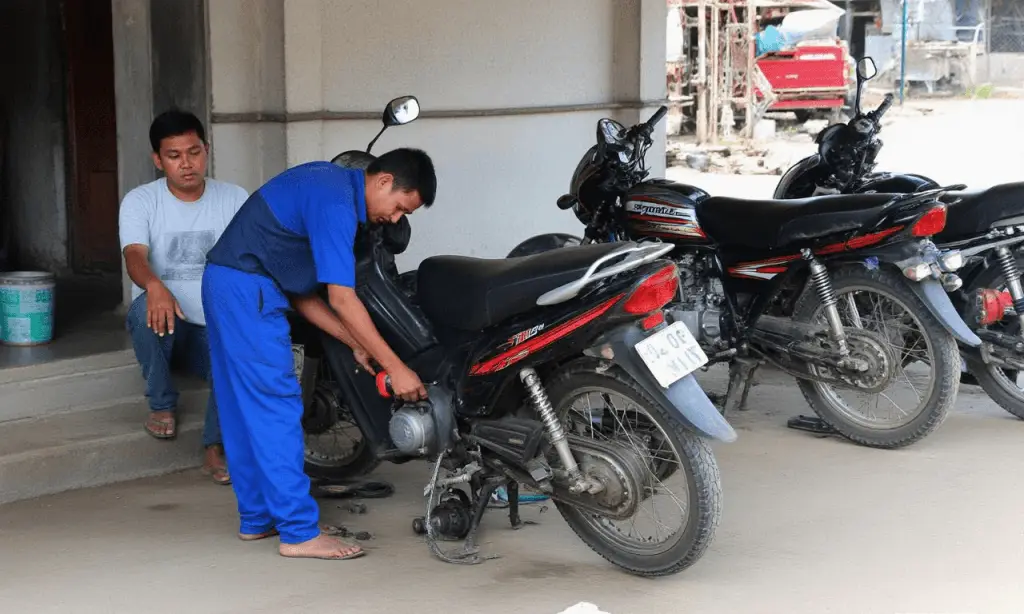
- Use Local Resources: If you need parts, consider visiting local mechanics or motorcycle shops. Many communities in Myanmar offer affordable motorcycle repair services that can be convenient if DIY repair isn’t an option.
- Regular Maintenance: Myanmar’s diverse roads, from city streets to rural paths, can be harsh on motorcycles. Regular maintenance, such as checking tire pressure, cleaning the air filter, and maintaining brake pads, is crucial to keeping your bike in safe working condition.
Micheal
|
2025.03.24


