Maintaining a car in Nepal can be quite challenging due to the diverse road conditions, fluctuating weather, and the occasional lack of accessible service centers. However, with proper care and attention, you can keep your car running smoothly and extend its lifespan, ensuring reliability for daily commuting and long journeys across the country. In this article, we’ll explore the best car maintenance practices tailored for the unique environment of Nepal, along with helpful tips for both urban and rural car owners.
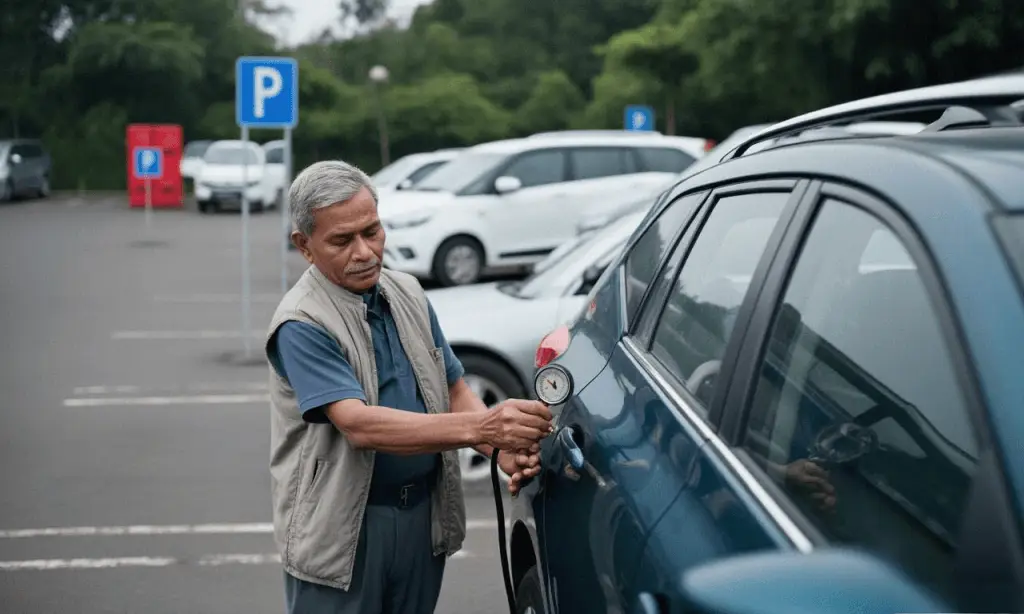
One of the most crucial aspects of car maintenance is ensuring that your vehicle’s engine oil is changed regularly. Engine oil lubricates the engine components, reduces friction, and prevents excessive wear. In Nepal, where road conditions vary greatly—from smooth highways to rugged mountain roads—it is especially important to keep your engine well-lubricated.
Best Practice:
It is recommended to change the engine oil every 5,000 to 7,000 kilometers, depending on the type of oil used and the driving conditions. If you often drive in mountainous or dusty areas, you may want to change the oil more frequently. Make sure to check the oil level regularly and top it off as necessary.
Pro Tip:
Always use the recommended type of oil for your car’s engine. Consult the owner’s manual or a trusted mechanic to choose the right oil viscosity for Nepal's diverse climates—whether you're driving in the tropical lowlands or the cooler mountain regions.
Nepal's dust and pollution can quickly clog an air filter, affecting engine performance and fuel efficiency. An air filter ensures that the engine gets a clean supply of air for combustion. Over time, air filters get clogged with dirt, dust, and debris, especially in congested urban areas like Kathmandu, where air quality can be a concern.
Best Practice:
It’s recommended to inspect and replace the air filter every 10,000 to 15,000 kilometers or more frequently if you drive in dusty environments. A clean air filter ensures better fuel efficiency and reduces the strain on the engine.
Pro Tip:
If you're driving through rural areas with dirt roads, consider replacing the air filter more often or invest in a high-performance air filter that can handle dust and particles better.
Tires are essential for safe driving in Nepal, especially when traveling on rough or unpaved roads. Proper tire maintenance ensures a smoother ride, better handling, and enhanced safety. Additionally, keeping tires well-inflated and properly aligned increases fuel efficiency, which is crucial for cost-conscious drivers.
Best Practice:
Check tire pressure at least once a month, and more frequently if you're going on a long trip. Proper tire pressure improves fuel efficiency and extends the lifespan of the tires. Additionally, ensure that your tires are aligned to avoid uneven wear, which can affect handling and safety.
Pro Tip:
In Nepal’s mountainous regions, where winding roads are common, ensure that your tires have good tread depth for better grip. In addition, rotate your tires every 10,000 kilometers to ensure even wear.
With the steep slopes and winding roads in many parts of Nepal, brake maintenance becomes a vital aspect of car upkeep. A well-maintained braking system is essential to prevent accidents, especially when descending from hills or traveling through busy urban streets.
Best Practice:
Check the brake pads, brake fluid, and discs regularly. Brake pads should be replaced when they are worn down, and brake fluid levels should be checked every 6 months. Pay close attention to the braking performance—if you feel the brakes are not as responsive as they should be, it’s time to get them checked by a professional.
Pro Tip:
When driving on steep roads, use engine braking (downshifting gears) to reduce the strain on your car’s brake system. This can help prevent the brakes from overheating, especially during long descents.
Nepal’s high-altitude regions can have a significant impact on your car’s cooling system, as engines tend to overheat in the summer heat or during long drives in higher temperatures. Ensuring that your radiator and coolant system are functioning properly is essential to avoid engine damage.
Best Practice:
Check the coolant levels regularly and top them off as needed. Inspect the radiator for leaks, and if your car has a cooling fan, make sure it’s functioning correctly. Always use the recommended coolant mixture to prevent the engine from overheating.
Pro Tip:
In the hot months or during extended road trips, keep an eye on the temperature gauge in your car. If it’s running too hot, stop the car immediately to prevent any potential damage.
In Nepal, particularly in rural or remote areas, power outages and unreliable electricity supply can impact the performance of your car's battery. To avoid getting stuck, make sure your car battery is in good condition and regularly checked.
Best Practice:
Check the battery terminals for corrosion and ensure that the battery is securely fastened. Clean the terminals with a mixture of baking soda and water if you notice any build-up. If your car battery is older than 3 years, consider replacing it before it fails unexpectedly.
Pro Tip:
If you're driving in remote areas where help may not be easily accessible, consider keeping a portable jump starter in your car.
Given Nepal’s varying weather, from monsoon rains to dusty roads, regular cleaning and waxing can protect your car’s exterior from rust and wear. The interior should also be kept clean, especially the upholstery and dashboard, to prevent wear and tear.
Best Practice:
Wash your car at least once a week, and if you live in an area with heavy rain or dust, more frequent washes may be necessary. Apply a coat of wax every 2-3 months to protect the paint from weathering.
Pro Tip:
Use seat covers and floor mats to protect the interior from dirt and stains, and ensure the seats are cleaned regularly to prevent any mold or mildew growth, particularly in areas with high humidity.
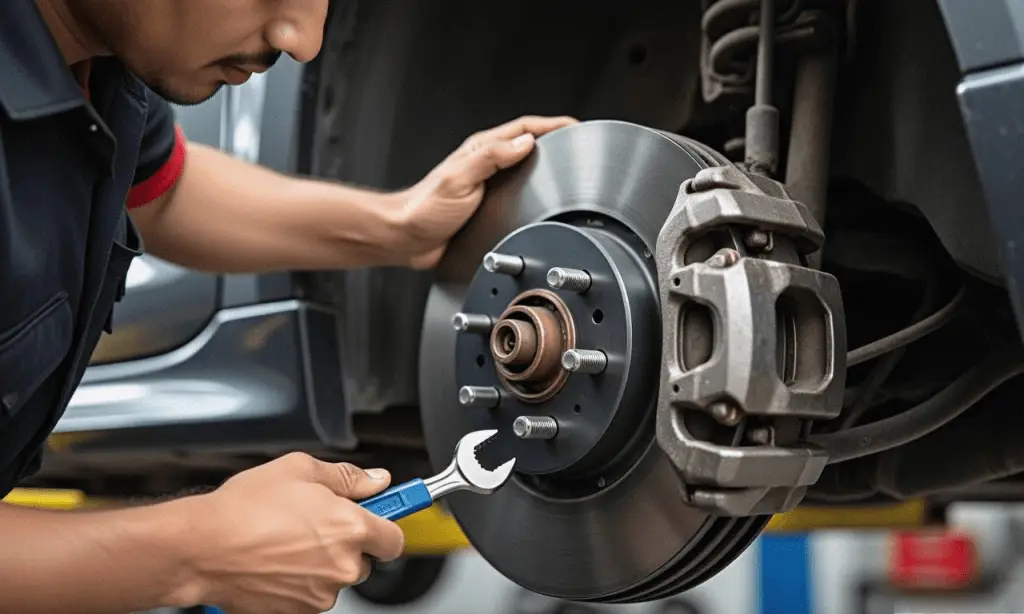
The suspension system is vital for maintaining comfort and safety while driving. Nepal’s rugged roads, particularly in rural and mountainous areas, can take a toll on your suspension system. Regular checks can help prevent costly repairs and ensure a comfortable ride.
Best Practice:
Inspect the shock absorbers and struts for signs of leakage or wear. If you notice your car bouncing excessively, or if the ride feels rougher than usual, it’s time to get your suspension system checked.
Pro Tip:
If you frequently drive on rough or unpaved roads, consider investing in a suspension upgrade that can better handle the conditions.
Maintaining your car in Nepal is not just about fixing it when something breaks down—it’s about regular care, attention, and preventive measures. By following these best practices, you can significantly extend the life of your vehicle, improve its performance, and stay safe while driving. Whether you're navigating the busy streets of Kathmandu or venturing into the remote hills, a well-maintained car will provide the reliability you need for both daily commuting and adventurous road trips.
This article provides general guidance on car maintenance practices. It is always recommended to consult with a professional mechanic or technician for specific advice tailored to your vehicle's make and model. Regular maintenance is essential for vehicle performance and safety.
Elizabeth
|
2025.03.24


