
10 Essential Car Maintenance Tips for Indian Drivers
Owning a car in India comes with a certain level of responsibility, especially when it comes to maintaining it for optimal performance and longevity. Whether you're driving through the bustling streets of Mumbai or cruising on the highways of Delhi, regular car maintenance ensures your vehicle runs smoothly, reduces the risk of unexpected breakdowns, and enhances its resale value. Here are 10 essential car maintenance tips every Indian driver should follow to keep their car in top condition.

1. Regular Oil Change
One of the most crucial aspects of car maintenance is changing the engine oil regularly. The oil lubricates the engine's moving parts, preventing wear and tear. In India, with varying weather conditions—from extreme heat to the rainy season—it is essential to change the oil at regular intervals, typically every 10,000 to 15,000 kilometers, depending on the car model. Always opt for the recommended oil grade as per the manufacturer’s guidelines.
Why is it Important?
Engine oil breaks down over time, and old oil loses its effectiveness in protecting the engine parts. Regular oil changes prevent engine overheating and sludge buildup, ensuring smoother performance.
2. Check Tire Pressure Regularly
Tire pressure plays a crucial role in vehicle performance, safety, and fuel efficiency. Under-inflated tires lead to reduced fuel efficiency and faster tire wear, while over-inflated tires can cause handling issues. It’s recommended to check tire pressure at least once a month, as well as before any long journey. The correct tire pressure for your vehicle can usually be found on a label inside the driver’s door or in the owner’s manual.
Why is it Important?
Proper tire pressure improves fuel efficiency, handling, and tire lifespan. During India’s scorching summers or the monsoon season, tire pressure can fluctuate more than usual, making regular checks even more critical.
3. Change Air Filters
Air filters are responsible for ensuring that clean air reaches the engine. Clogged air filters can reduce engine efficiency and negatively impact fuel consumption. In dusty cities or rural areas, where air quality may be poorer, it’s particularly important to replace air filters every 10,000 to 15,000 kilometers.
Why is it Important?
Replacing air filters keeps the engine running efficiently, improves fuel economy, and ensures your car doesn’t overconsume fuel. A clean air filter also reduces emissions and helps keep the engine protected from debris.
4. Monitor the Braking System
The brakes are one of the most important safety features of any vehicle, and their proper functioning is vital to prevent accidents. Indian roads are often chaotic and unpredictable, making effective brakes even more essential. Make it a habit to inspect your brakes regularly and check the brake pads for wear. Any squeaking or grinding noises are a clear indication that your brakes need immediate attention.
Why is it Important?
Well-maintained brakes prevent accidents, reduce stopping distances, and enhance overall driving safety, especially in heavy traffic or on hilly terrains.
5. Check Battery Health
In the extreme heat of India, a car’s battery can wear out faster. Regularly checking the battery’s condition—especially if the car is old—is crucial to avoid being stranded. Check the battery terminals for corrosion, and ensure that the battery is securely fitted. A good rule of thumb is to replace the battery every 2-3 years.
Why is it Important?
A faulty battery can cause your car to stall or fail to start, which can be inconvenient, especially in remote or high-traffic areas. Keeping an eye on the battery helps avoid unexpected breakdowns.
6. Keep the Cooling System in Check
The cooling system is vital, especially given India’s hot temperatures. Overheating engines are a common issue in the summer months. Always monitor the coolant levels, and top them up when needed. Pay attention to any warning signs, such as the engine temperature gauge rising or unusual smells coming from the engine bay.
Why is it Important?
A functioning cooling system prevents engine overheating and damage. Regular maintenance ensures that your car doesn't break down in hot weather or during long drives, especially in regions like Rajasthan or Andhra Pradesh, where temperatures can soar.
7. Inspect the Suspension System
The suspension system ensures a smooth ride by absorbing shocks from uneven roads. In India, where road conditions can vary from smooth highways to pothole-riddled streets, it’s important to check the suspension system periodically. A sudden bounce or uncomfortable ride could indicate suspension issues.
Why is it Important?
Regular suspension checks help maintain driving comfort, vehicle stability, and road handling. A well-maintained suspension system also improves tire lifespan and safety during abrupt maneuvers.
8. Change the Timing Belt
The timing belt is crucial for the engine's function, as it ensures that the engine's valves and pistons operate in sync. Over time, the belt wears out, and a snapped timing belt can result in severe engine damage. For most vehicles, it is advisable to change the timing belt every 60,000 to 100,000 kilometers, as per the manufacturer's recommendation.
Why is it Important?
Preventing timing belt failure ensures that the engine works efficiently, avoiding costly repairs and ensuring that your car runs without interruptions.
9. Clean and Maintain Headlights
Headlights are critical for driving at night or during rainy weather. In India, where monsoon rains can severely reduce visibility, clean and functional headlights are essential for safe driving. Over time, headlights can accumulate dirt, and the plastic covers can become cloudy. Regularly cleaning your headlights and checking the bulbs ensures that you have optimal visibility on the road.
Why is it Important?
Clear headlights improve visibility and reduce the risk of accidents, especially at night or in poor weather conditions. Keeping your headlights in good condition is key for both your safety and the safety of others on the road.
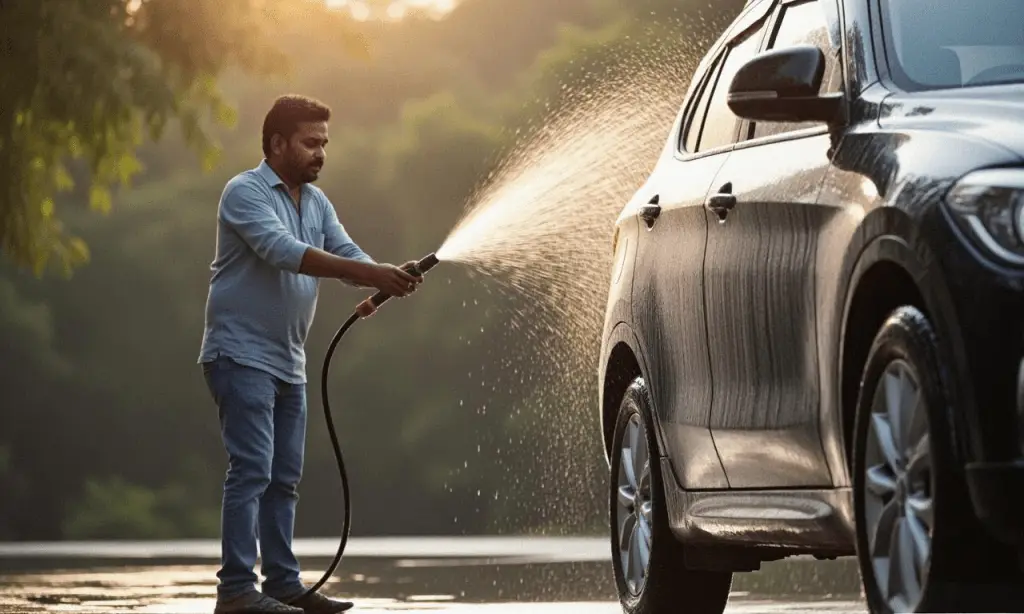
10. Regularly Wash and Wax Your Car
The hot sun, dust, and rain can take a toll on the exterior of your car. Regular washing and waxing not only keep your car looking good but also protect its paint from environmental damage. In cities like Delhi and Ahmedabad, where dust levels are high, regular washing helps prevent the buildup of grime that can damage the car’s finish over time.
Why is it Important?
Regular washing and waxing protect the car’s paintwork, prevent rust, and maintain the vehicle’s appearance. This simple task also ensures that your car has a better resale value in the future.
Disclaimer
The information provided in this article is based on general automotive knowledge and practices. While these car maintenance tips are widely applicable, it is always recommended to consult a certified mechanic or refer to your vehicle’s owner manual for specific advice regarding your car’s model. Regular maintenance will vary depending on the car’s make, model, and age. Following these tips can help maintain your car’s performance, but professional advice should be sought for more complex issues.
Micheal
|
2025.03.24


