
Top 5 Car Care Tips for Southeast Asian Drivers
Owning a car in Southeast Asia comes with unique challenges and opportunities. The tropical climate, heavy rains, and varying road conditions can all impact the longevity and performance of your vehicle. Proper maintenance is essential to ensure your car runs smoothly, remains efficient, and stays in good condition over the years. In this article, we’ll cover the top 5 car care tips that every Southeast Asian driver should know.
1. Regularly Check Your Tires for Optimal Performance
Tires are one of the most important components of your car. They directly impact the safety and fuel efficiency of your vehicle, which is especially important in Southeast Asia, where road conditions can range from smooth highways to rough, uneven roads. Ensuring your tires are in top condition is crucial for your safety and your car's performance.
Why Regular Tire Checks Are Crucial in Southeast Asia
In countries like Thailand, Malaysia, and Indonesia, the tropical climate can cause tires to wear out faster due to high temperatures. Furthermore, the monsoon season brings heavy rains, which can create slippery roads and increase the risk of hydroplaning. Keeping your tires properly inflated and regularly inspecting their tread is essential.
What You Should Do
- Check tire pressure: Make sure your tires are inflated to the recommended pressure. Underinflated tires increase fuel consumption, while overinflated ones are more prone to wear.
- Inspect tread depth: The tread helps grip the road, especially on wet surfaces. Replace tires when the tread depth is low, typically below 1.6 mm.
- Rotate tires regularly: Rotating your tires every 10,000 km (or as recommended in your car manual) ensures even wear.
- Look for cracks or bulges: These are signs that your tire is damaged and may need to be replaced.
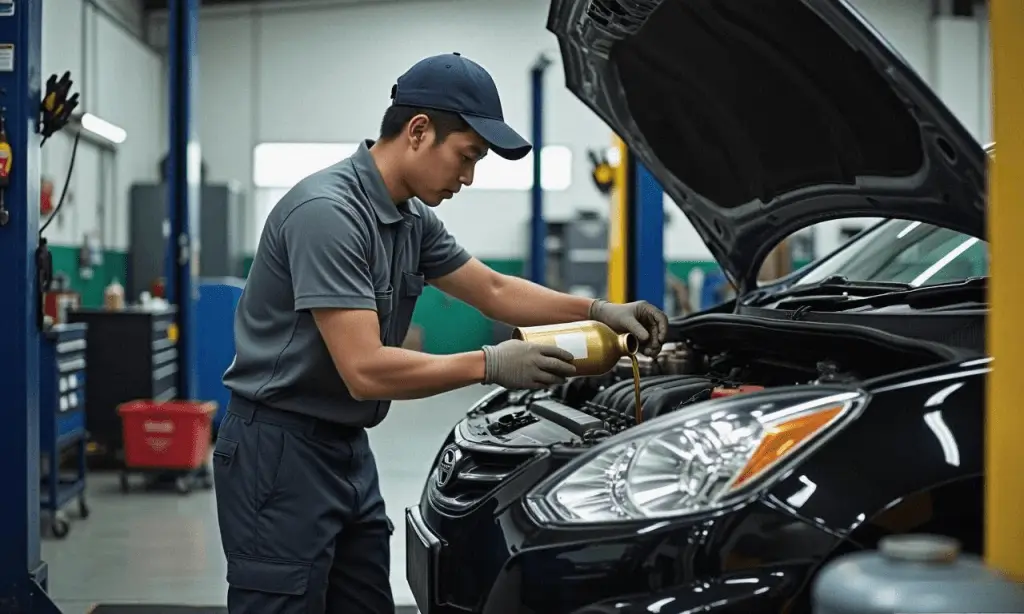
2. Regular Oil Changes for Engine Health
Engine oil is the lifeblood of your car. It lubricates the engine parts, reduces friction, and helps prevent overheating. In Southeast Asia, with the high temperatures and constant driving in traffic jams, engine oil can break down faster than in cooler climates.
Why Oil Changes Are Important
Engines in tropical climates often face increased strain due to the heat. Oil that is too old or contaminated can cause engine parts to wear out more quickly, leading to costly repairs. Regular oil changes ensure the engine runs smoothly and lasts longer.
What You Should Do
- Check oil level and quality: Make it a habit to check your oil levels regularly. If the oil appears dark or gritty, it may be time for a change.
- Follow the recommended change intervals: Most cars need an oil change every 5,000 to 7,500 km, depending on the make and model. Always follow the manufacturer's recommendation for oil change intervals.
- Use the right oil: Ensure you're using the correct grade of oil for your car's engine. Check your owner’s manual for the specifications.
3. Clean Your Car Regularly to Protect the Exterior
The tropical environment in Southeast Asia can be harsh on your car’s exterior. The high humidity, constant rain, and exposure to saltwater (in coastal areas) can lead to rust and paint damage. Keeping your car clean and regularly waxing it can help preserve its appearance and protect the bodywork.
Why Regular Cleaning Is Important
Dirt, salt, and grime can accumulate on your car’s exterior and cause long-term damage, including rust and paint degradation. Regular cleaning and waxing form a protective barrier against these elements.
What You Should Do
- Wash your car frequently: Wash your car every two weeks to remove dirt, salt, and other debris. Be sure to use a mild car wash soap to avoid damaging the paint.
- Wax your car: Apply a coat of wax every 3-6 months to protect the paint and add a layer of shine.
- Clean the undercarriage: Pay attention to cleaning the undercarriage, especially if you drive in areas prone to flooding or coastal regions with saltwater exposure.
4. Pay Attention to Your Air Conditioning System
Southeast Asia is known for its hot and humid weather, and your air conditioning system is one of the most used features in your car. Keeping it in good working condition is essential not only for comfort but also for your health. If the air conditioning system is not functioning properly, it can lead to poor air quality inside the car and decreased cooling efficiency.
Why Air Conditioning Maintenance Matters
With the extreme temperatures in Southeast Asia, an inefficient or malfunctioning AC system can leave you feeling uncomfortable during long drives. Additionally, an AC system that is not functioning well can lead to higher fuel consumption, as the engine works harder to cool the car.
What You Should Do
- Check the air filter: Replace your air filter regularly, especially if you drive in urban areas with a lot of dust or pollution.
- Keep the AC system clean: Clean the evaporator and condenser coils every year to prevent mold and bacteria buildup, which can lead to unpleasant odors.
- Recharge refrigerant: If your AC isn’t cooling as effectively as before, it may be time to recharge the refrigerant.

5. Keep Your Battery in Check
The hot climate in Southeast Asia can put a strain on your car’s battery. High temperatures can cause the battery fluid to evaporate more quickly, leading to a reduction in battery life. Regularly checking your battery's condition is crucial to avoid unexpected breakdowns.
Why Battery Maintenance Is Important
A dead battery can cause significant inconvenience, especially in hot climates where the vehicle may need extra power for AC systems, headlights, or other electronic devices.
What You Should Do
- Check battery terminals: Ensure the terminals are clean and free of corrosion. If there’s corrosion, clean it with a mixture of baking soda and water.
- Test the battery: Use a multimeter to test the battery voltage. If the voltage drops below 12.4 volts, it may be time to replace the battery.
- Replace the battery regularly: Car batteries typically last 2-3 years in tropical climates. Be proactive and replace it before it fails.
Conclusion
Proper car care is essential for ensuring your vehicle remains reliable and efficient, especially in the challenging climate and road conditions of Southeast Asia. Regular maintenance and attention to details like tire checks, oil changes, exterior cleaning, air conditioning, and battery maintenance will not only extend the life of your car but also keep you safe and comfortable on the road. By following these simple car care tips, you’ll enjoy a smoother, more reliable driving experience, regardless of the weather or road conditions.
Disclaimer: The information provided in this article is for general informational purposes only. It is recommended that you consult with a professional mechanic or technician for specific car maintenance needs. Vehicle care requirements may vary based on make, model, and local conditions.
James
|
2025.03.24


